
Physical changes in old age
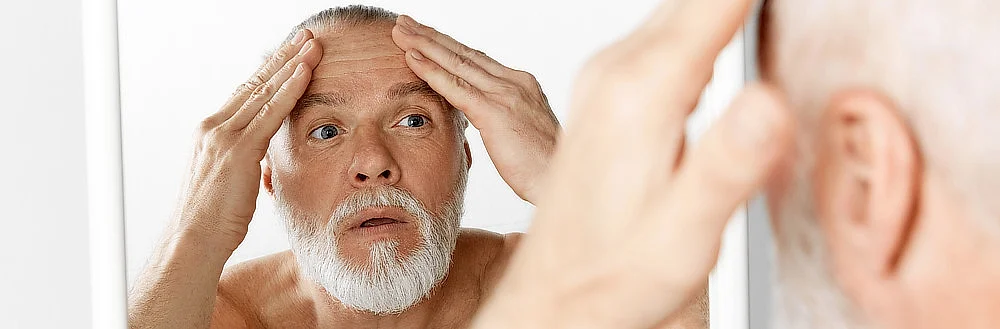
Ageing is a natural and inevitable process that gradually affects all bodily organs, from the skin and muscles to the cardiovascular system and sensory perception. Although there is a natural decline in performance and changes in metabolism with age, factors such as a healthy diet and regular physical activity can significantly slow down these manifestations. By understanding the difference between chronological and biological age, it is possible to effectively strive for a higher quality of life and more years lived in good health, even in senior age. [Author: National Health Information Portal]
Interested in learning more?
- Do you know by what percentage your basal energy expenditure decreases with every decade of life from the age of 30, and how you can influence it?
- Why can a well-trained 50-year-old have better health markers than an untrained 30-year-old, and what exactly determines your biological age?
- What specific changes in blood pressure are caused by the ageing of blood vessels, and why do they increase the risk of heart attack or stroke?
- Do you know why seniors often lose their sense of thirst and why they essentially have to relearn how to drink in advanced age?
- Can a healthy brain cope with the natural loss of nerve cells, and up to what age is it possible to learn new things?
- Which external factors, besides genetics, accelerate skin ageing the most, and at what age does the skin begin to lose its elasticity?
- Why are women after menopause more at risk of bone thinning than men, and what role does vitamin D play in this process?
Read the full article on NZIP portal – Physical changes in old age